High Blood Sugar
Anxiety
Gluten Sensitivity
Gut Inflammation
Blood Pressure
IBS
Mood
Insomnia
PTSD
Mood Swings
Overweight
Memory Performance
Sexual Dysfunction
PCOS
Psoriasis
Joint Pain
Attention/ADHD
Chronic Fatigue / Tiredness
Allergies
Asthma
Acne
Tinnitus
Eczema
Food Allergy
Vitamin B6
Vitamin E
Restless Leg Syndrome
Grinding Teeth
Vitamin A
Magnesium
Zinc
Heart Health
Migraines
(High) Cholesterol
Headache
Chronic Pain
Back pain
Shoulder & Neck Pain
Stress
Inflammation
Omega-3 needs
Salt Sensitivity
Endurance
Power performance
Strength
Exercise recovery
Brain Fog
Female Fertility
Longevity
Addiction
Erectile Dysfunction
Male Infertility
MTHFR
Joint Inflammation
GERD
Ulcers
Sleep Apnea
Periodontitis
Varicose Veins
H. pylori
Liver Health
Canker Sores
Gallstones
Kidney Health
Gout
Hair Loss (Male-Pattern Baldness)
Riboflavin
Urticaria
Rosacea
Carpal Tunnel Syndrome
Sinus Congestion
Cavities
Artery Hardening
Vertigo
Vitiligo
Myopia
Indigestion
Excessive Sweating
Testosterone – Males
Yeast infection (Candida)
Endometriosis
Tobacco addiction
Alcohol addiction
Uterine fibroids
Length of menstrual cycle
UTI
OCD
Kidney Stones
Vitamin B12
Vitamin C
Vitamin D
Folate
Iron
Eating Disorders
Bone Health
Hypothyroidism
Hyperthyroidism
Sugar Cravings
Hearing/difficulty problem /Hearing loss
Painful Periods
Palpitations
Hemorrhoids
Hypotension
Bladder Control
Constipation
Appendicitis
Low Blood Sugar
Irregular Periods
Metabolic rate
Visceral fat
Lung Health
Anemia
Calcium
Cognition
Cognitive Decline
Seasonal Low Mood
Vitamin K
Phosphate
HRV
Cluster headaches
Knee Pain
Hip Pain
Selenium
Low back injury
Dyslexia
Cannabis addiction
Histamine Intolerance
Carnitine
Pesticide Sensitivity
Organophosphate Sensitivity
Cadmium
Lead
Melatonin
FSH
T4
T3
High PTH
Potassium
Coenzyme Q10 (CoQ10)
Chromium
Oxalate Sensitivity
Salicylate Sensitivity
Facial Wrinkles
Age Spots
Ligament Rupture (ACL Injury)
Tendon Injury (Tendinopathy)
Omega 6
Omega 6:Omega 3 Ratio
Arachidonic Acid
Oleic Acid
Alpha-Linolenic Acid
EPA
GLA
Linoleic Acid
DHA
Insulin Resistance
Sperm Motility
Homocysteine
C difficile
Pneumonia
EBV Infection
Gastrointestinal Infection
Chronic Bronchitis
Copper
Skin Elasticity
Skin Hydration
Egg allergy
ApoB
GGT
TIBC
Bioavailable Testosterone (Male)
MPV
Chloride
Free T4
Processing Speed
Short-term memory
TMAO
Air pollution sensitivity
Heart Rate
VO2 Max
Flu
Hair graying
Caffeine-Related Sleep Problems
Groin Hernia
Stretch marks
Droopy Eyelids
Strep infection
Dry eyes
Carbohydrate Consumption
Peanut allergy
Heart rate recovery
Muscle recovery
Jaw Disorders
HPV Infection
Acute Bronchitis
Chlamydia
Genital Herpes
Pancreas inflammation
Executive Function
Pyroglutamic acid
Raynaud’s
Liver Scarring
Dandruff
Bioavailable Testosterone (Female)
Shrimp allergy
Haptoglobin
Milk allergy
Beta-Alanine
Taurine
LDL Particle Size
Diarrhea
Snoring
Uric acid
Phenylalanine
Leucine
Glutamine
Valine
Glycine
Alanine
Lysine
Arginine
Histidine
Tyrosine
Cortisol
DHEAS
Insulin
Prolactin
TSH
Lactate
Ketone Bodies
IL-17A (Th17 Dominance)
Creatine Kinase
Neutrophils
Basophils
Eosinophils
Ferritin
ALT
AST
MCV
Hematocrit
RDW
SHBG
Total Protein
Albumin
MCH
Sodium
MCHC
Alkaline Phosphatase
Monocytes
Ghrelin
IL10 (Th2)
IL-6 (Th2 and Th17)
Iodine
Chili Pepper sensitivity
COMT
DRD2 (Dopamine)
Lectin Sensitivity
Thiamine
Biotin
Mold Sensitivity (Foodborne)
Chronic Lyme
BDNF
Glyphosate sensitivity
BPA Sensitivity
Pregnenolone
Luteinizing Hormone (LH)
Growth Hormone
IgA
Molybdenum
Sensitivity to Dairy (IgG Casein)
Telomere Length
Serotonin (5HIAA)
Non-Celiac Gluten Sensitivity (IgG Gliadin)
Manganese
Klotho
Mold Sensitivity (Airborne)
Amylase
Lipase
Low Sperm Count
Tryptophan
Methionine
Glutamate
Proline
Blood Calcium
Hypertriglyceridemia
HDL Cholesterol
HbA1c
Hemoglobin
Total Cholesterol
LDL Cholesterol
IGF1
Fasting Glucose
Bilirubin (total)
White blood cell count
Red blood cell count
Platelets
eGFR
Creatinine
Estradiol
Neuroticism
Sleep Quality
Lactose Intolerance
Saturated fat
Optimal diet
Unsaturated fat
Achilles tendon injury
Deep sleep
Fat
Response to Stress
Leadership
Ankle injury
Creativity
Hoarding
Protein
Optimal Exercise
Knee Injury
Rotator cuff injury
Extraversion
Risk-Taking
Happiness
Daytime Sleepiness
Morningness
Time spent watching TV
Disliking cilantro
Alcohol Sensitivity
Response to Caffeine
Snacking
Weight Regain
Sleep movement
Wearing glasses or contacts
Educational Attainment
Bitter Taste Sensitivity
Agreeableness
Aggression
Conscientiousness
Openness to experience
Physical activity
Caffeine-Related Anxiety
Naps

SelfDecode uses the only scientifically validated genetic prediction technology for consumers. Read more
Unblock Your Body's Detox Pathways with a DNA Test
Your ability to detoxify toxins, pollutants, and byproducts is deeply rooted in your DNA. By understanding your body’s unique genetic makeup, you can support your detox pathways and reduce your risk for inflammation, oxidative stress, and chronic illness. SelfDecode helps you make the smartest choices to optimize your body’s natural cleansing systems.
We will never share your data
We follow HIPAA and GDPR policies
We have World-Class Encryption & Security
Rated 4.7/5 from 750+ reviews
200,000+ users, 2,000+ doctors & 80+ businesses









Discover How Your Body Processes Toxins—Based on Your Genes
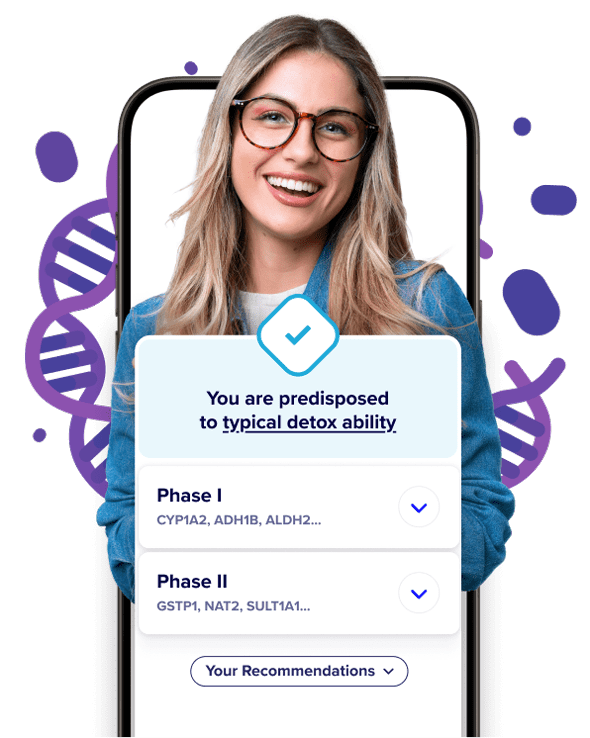
The Detox Pathway Report reveals how your genes influence key detoxification pathways, so you can make informed decisions to support your liver, reduce toxic burden, and enhance longevity.
- Phase I Detox: Understand how effectively your body converts toxins into less harmful substances, and how your genetics impact this first stage of detoxification.
- Phase II Detox: Learn how well your body neutralizes and eliminates toxins, focusing on genetic variations that affect detoxification enzymes and pathways.
- Glutathione Production: Learn whether your genes support this powerful detox and antioxidant defense system.
Why Take a DNA Detox Test?
Your detox pathways control how well your body clears out environmental toxins, medications, alcohol, and everyday metabolic waste. Weak spots in these pathways can lead to fatigue, brain fog, hormone imbalances, and poor immune health.

Learn where your detox systems shine—and where they may need extra support.

Support your liver, kidneys, and other detox organs by identifying and addressing genetic bottlenecks.

Receive science-backed guidance on foods, supplements, and habits that help your body detox more effectively.
Customer Stories
People love us


What Does the Detox Pathway Report Test For?
This report analyzes genes involved in every stage of detoxification, including:
Cytochrome P450 genes (e.g., CYP1A2, CYP3A4, CYP2E1) that activate and process toxins.
Genes like COMT, UGT, NAT2 and SULT1A1 that neutralize toxins for excretion.
Genes such as GSTP1, GSTA1, and GCLC that helps neutralize reactive intermediates.
Your report includes personalized advice on supporting sluggish detox genes, boosting glutathione and other protective compounds, avoiding triggers such as caffeine, alcohol, and environmental pollutants based on your SNPs, and incorporating nutrients and supplements like NAC, sulforaphane, and milk thistle—only if your body truly needs them.
Your Personalized Detox Plan
Based on your unique DNA, you’ll receive a personalized strategy designed to enhance your body’s ability to detoxify harmful substances. This plan considers how your genes influence the metabolism and elimination of toxins such as mold, heavy metals, pesticides, plastics, air pollutants, and more. Your custom recommendations may include:

Foods rich in antioxidants, cruciferous vegetables, and fiber to support Phase I and Phase II detox pathways.

Nutrients like NAC, selenium, zinc, vitamin C, glutathione, and polyphenols—chosen based on your genetic need and detox efficiency.

Personalized guidance on hydration, sauna use, sleep hygiene, and strategies for minimizing exposure to pollutants.

Alerts for environmental triggers like BPA, phthalates, and aluminum—only when your genetic profile suggests heightened sensitivity.
Your Detox Pathways Report translates complex genetic data into actionable insights so you can make smarter decisions about your environment, habits, and health.
See a sample Detox Pathways report
View our sample report, just one of over 1500 personalized insights waiting for you. With SelfDecode, you get more than a static PDF; you unlock an AI-powered health coach, tools to analyze your labs and lifestyle, and access to thousands of tailored reports packed with actionable recommendations.
Optimize Your Detox Pathways with SelfDecode
SelfDecode goes beyond toxins & detox—it’s a complete genetic wellness platform designed to help you live longer, cleaner, and healthier.

Personalized Recommendations
Get tailored diet, supplement, and lifestyle suggestions based on your health risks and goals.

1500+ DNA Health Reports

Lab Tracking
Optimize 4,000+ lab markers with personalized guidance.

Nutrition Planner

Suggested Labs
Get a personalized list of suggested lab tests based on your DNA & health goals.

SNP & Gene Search Tool
Discover your genotype for any SNP in our database of 200M+ genetic variants.
See Everything SelfDecode Has to Offer
Discover our full suite of health reports and features in one comprehensive guide. Our Reports & Features Summary shows all the DNA results, tools, and insights you can get with SelfDecode.
Frequently Asked Questions
What is the Detox Pathway Report?
The Detox Pathway Report is a comprehensive genetic analysis that reveals how your DNA influences your body’s ability to process and eliminate toxins, pollutants, and metabolic byproducts. It analyzes key genes involved in Phase I detoxification, Phase II detoxification, and the critical glutathione pathway to provide personalized insights into your natural cleansing systems. The report helps you understand genetic bottlenecks in your detox pathways and provides science-backed recommendations to support your liver, kidneys, and other detox organs.
What are Phase I and Phase II detoxification?
Detoxification is a sophisticated two-phase process that occurs primarily in your liver: Phase I (Activation): This is your first line of defense where your body uses a family of enzymes called cytochrome P450 (CYP) to begin breaking down toxins. Key genes analyzed include CYP1A2, CYP3A4, CYP1A1, and more. This phase activates and processes toxins, but can produce reactive free radical molecules as byproducts.Phase II (Conjugation): In this phase, genes like COMT, UGT, NAT2, and SULT1A1 neutralize the activated toxins from Phase I by attaching them to large molecules, making them water-soluble for safe excretion. The glutathione pathway (involving genes like GSTP1, GSTA1, and GCLC) plays a crucial role in neutralizing reactive intermediates and protecting cells from damage.
What specific genes does the Detox Pathway Report analyze?
The report examines multiple gene families involved in detoxification:
Cytochrome P450 genes: CYP1A2, CYP3A4, CYP1A1, CYP1B1, CYP2C9 (Phase I activation)
Conjugation genes: COMT, UGT1A1, NAT2, SULT1A1 (Phase II processing)
Glutathione pathway genes: GSTP1, GSTA1, GCLC (neutralizing harmful compounds)
Additional detox-related genes that influence your body’s response to specific toxins
These genes work together to determine how efficiently your body handles various toxic substances.
What types of toxins does the report cover?
The report provides insights into your genetic ability to handle 50+ toxins from numerous sources, including:
Environmental Toxins: Air pollution, cigarette smoke (PAHs), flame retardants (PBDEs), plastics (BPA), phthalates, heavy metals (mercury, lead, arsenic, aluminum, cadmium)
Dietary & Lifestyle Toxins: Alcohol, caffeine, well-done meats (heterocyclic amines), pesticides (organophosphates, glyphosate), mold toxins (aflatoxins)
Internal Byproducts: Stress hormones (catecholamines) and metabolic waste products your body naturally produces
How is the Detox Pathway Report different from the Methylation Pathway Report?
While both reports relate to detoxification, they focus on different aspects:
Detox Pathway Report: Focuses specifically on how your body processes and eliminates external toxins and pollutants through Phase I, Phase II, and glutathione pathways. It analyzes genes like CYP450 enzymes, GST genes, and other detox-specific genes. Best for understanding environmental sensitivities and toxic burden.
Methylation Pathway Report: Focuses on one-carbon metabolism and methylation processes that affect detoxification, energy production, neurotransmitters, DNA repair, and homocysteine metabolism. It analyzes 30 SNPs across 20+ genes including MTHFR, COMT, MTR, MTRR, CBS, and PEMT. Best for understanding folate metabolism, B-vitamin needs, and cellular function.
Both reports complement each other for a complete detoxification picture.
What symptoms might indicate I need this report?
You may benefit from the Detox Pathway Report if you experience:
Fatigue, brain fog, or cognitive issues
Headaches or migraines from wine, perfumes, or cleaning products
Jittery or anxious feelings after one cup of coffee
Frequent asthma or sinus issues
Sensitivity to environmental scents or chemicals
Hormone imbalances
Poor immune health or frequent illness
Difficulty recovering from exposure to toxins
These “detox side effects” often indicate genetic variations affecting your body’s ability to process toxic substances efficiently.
What kind of recommendations will I receive?
The report provides actionable, personalized guidance including:
Dietary strategies: Foods that support your specific detox genes (like cruciferous vegetables for certain GST variants)
Supplement recommendations: Targeted nutrients like NAC (N-acetyl cysteine), sulforaphane, milk thistle, glutathione, and antioxidants—only if your genetic profile indicates you need them
Lifestyle modifications: Habits to support sluggish detox pathways
Avoidance strategies: Environmental triggers like BPA, phthalates, pesticides, or specific foods based on your genetic sensitivities
Specific nutrients: Dosing guidance for vitamins and minerals that support your detox enzymes
Each recommendation is prioritized based on your unique DNA and the strength of scientific evidence.
What makes SelfDecode's Detox Report unique?
SelfDecode’s Detox Pathway Report stands out because it:
Provides lab marker recommendations: Suggests specific blood, urine, or saliva tests to check based on your DNA, allowing you to see your genetic predispositions in action
Offers a truly holistic view: Analyzes Phase I, Phase II, glutathione pathway, and responses to dozens of specific toxins all in one comprehensive report
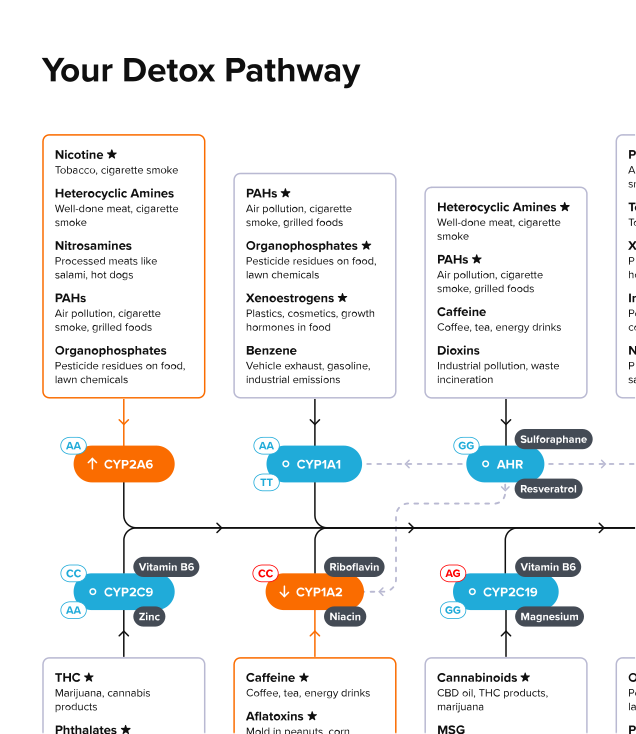
Features clear visual pathway diagrams: Complex detox science is simplified with easy-to-understand graphics
Integrates with your other health data: Can be combined with lab results, lifestyle assessments, and other DNA reports for complete personalization
Backed by solid, up-to-date evidence: Includes the latest genetic findings and dozens of references from peer-reviewed journals
Who should consider getting the Detox Pathway Report?
This report is especially valuable for people who:
Experience sensitivity to chemicals, fragrances, or environmental pollutants
Have unexplained chronic health issues like fatigue or brain fog
Work in occupations with high toxic exposure (healthcare, manufacturing, agriculture, beauty industry)
Live in areas with poor air quality or water contamination
Have family history of conditions linked to poor detoxification
Want to optimize their health and reduce disease risk proactively
Are interested in biohacking and personalized wellness strategies
Have tried generic detox programs without success
How do I get the Detox Pathway Report?
To access the Detox Pathway Report, you need:
A DNA sample: Either purchase a SelfDecode DNA test kit (simple cheek swab) or upload existing raw DNA data from companies like 23andMe, AncestryDNA, or others
A subscription plan: The Detox Pathway Report is included in SelfDecode’s Essential+ and Ultimate plans. It’s not included in the Essential plan. You can also purchase it as an upsell on the Essential plan.
Once your DNA is analyzed, the report is generated and available in your account within 2–3 weeks (for new test kits) or immediately (for uploaded data).
Get Your Detox Pathways DNA Report Today
Ready to support your body’s natural defenses and feel more energized? Unlock your personalized detox strategy now and take control of your long-term health.
Shipping Worldwide
30-Days Money-Back Guarantee*
HSA/FSA Eligible
Detox Report
- Detox Report - Phase 1 & 2
- 34 SNPs across 23 key detox genes
- 50+ toxins Analyzed
- SelfDecode DNA Kit
HSA & FSA Eligible
Ultimate Bundle
SelfDecode DNA Kit Included
+ Free Consultation
- Everything in Essential+
- 5 Pathway Reports
- Detox Pathways
- Methylation Pathway
- Histamine Pathway
- Dopamine & Norepinephrine Pathway
- Serotonin & Melatonin Pathway
- Medication Check (PGx testing) for 50+ medications
- DNAmind PGx Report
- 40+ Family Planning (Carrier Status) Reports
- Ancestry Composition
- Deep Ancestry (Mitochondrial)
Limited Time Offer 25% Off
* SelfDecode DNA kits are non-refundable. If you choose to cancel your plan within 30 days you will not be refunded the cost of the kit.
We will never share your data
We follow HIPAA and GDPR policies
We have World-Class Encryption & Security
Rated 4.7/5 from 750+ reviews
200,000+ users, 2,000+ doctors & 80+ businesses

SelfDecode is a personalized health report service, which enables users to obtain detailed information and reports based on their genome. SelfDecode strongly encourages those who use our service to consult and work with an experienced healthcare provider as our services are not to replace the relationship with a licensed doctor or regular medical screenings.